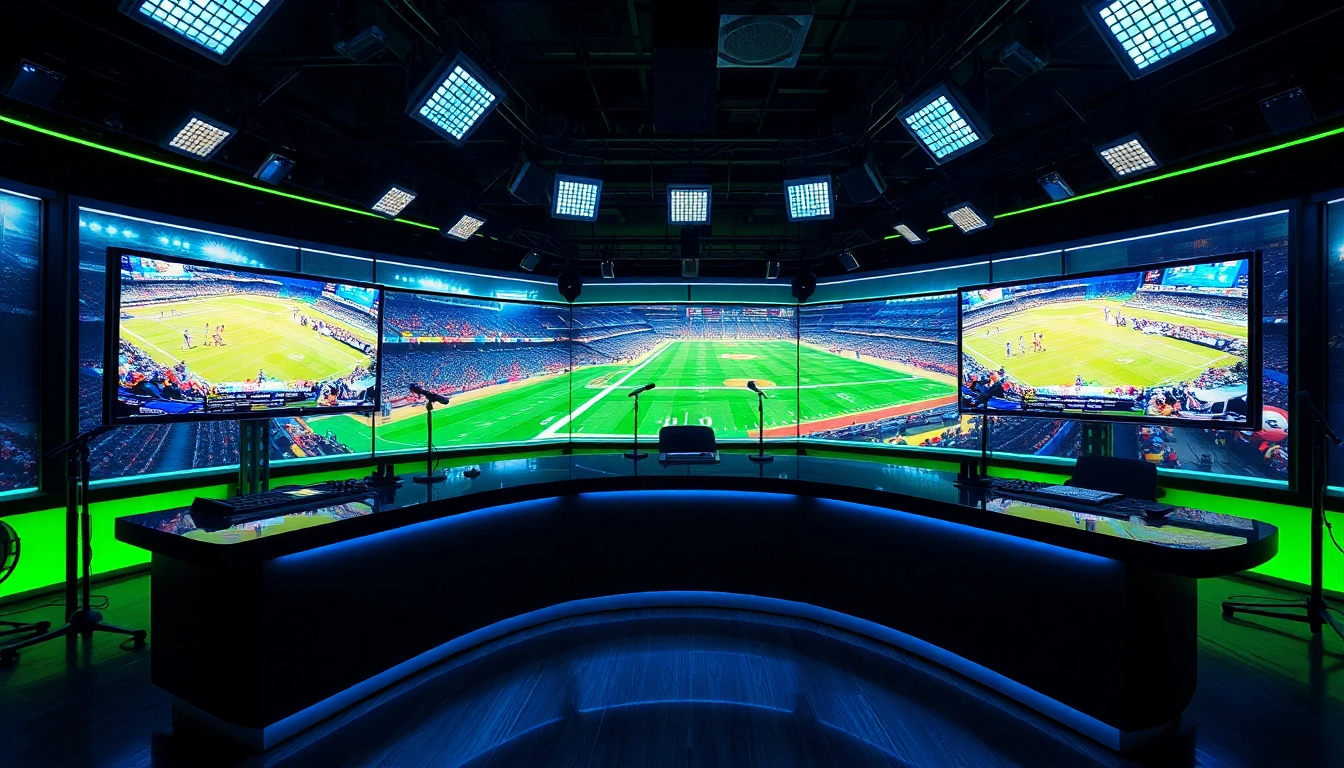
Understanding the Basics of Sports Broadcasting
In the realm of media, Sports Broadcasting plays a crucial role in the dissemination and consumption of sports content. This multifaceted industry not only entertains millions of fans worldwide but also provides a platform for athletes, teams, and sponsors. Understanding the intricate dynamics of sports broadcasting involves delving into its fundamental roles, key components, and varied types. This exploration sets the stage for anyone curious about the foundations and functioning of this vibrant industry.
The Role of Sports Broadcasting in Media
Sports broadcasting serves as the bridge between sports entities and the audience. Its primary role is to inform and entertain, creating a shared experience among fans regardless of geographical boundaries. This form of media does not merely report events; it interprets them, offering analysis and commentary that enhances the viewer’s understanding and enjoyment. Additionally, sports broadcasting plays a significant role in promoting athletes and sports organizations, contributing to their visibility and marketability.
Key Components of Effective Sports Broadcasting
Several vital components contribute to the effectiveness of sports broadcasting:
- Content Quality: High-quality content is paramount, featuring accurate reporting, engaging commentary, and expert analysis.
- Engaging Presentation: The way content is delivered—through visuals, commentary, and storytelling—greatly affects viewer engagement.
- Technology Utilization: The integration of advanced broadcasting technology like HD and virtual graphics enhances the viewing experience.
- Audience Interaction: Strategies for engaging with the audience, such as social media integrations and live interaction, are crucial for retention.
Types of Sports Broadcasting: Live vs. Pre-recorded
Sports broadcasts can be categorized into live and pre-recorded formats, each serving distinct purposes:
- Live Broadcasting: This involves real-time coverage of sporting events. The immediacy of live broadcasts creates excitement and a genuine sense of participation among viewers.
- Pre-recorded Programming: This includes features such as interviews, highlights, and documentaries that can be edited for greater impact and storytelling quality.
Essential Skills for Successful Sports Broadcasters
To thrive in the competitive field of sports broadcasting, individuals must develop a diverse skill set encompassing communication, research, and technical capabilities.
Communication Skills for Sports Broadcasting
Effective communication is the backbone of successful broadcasting. Broadcasters must convey complex information in a clear and accessible manner. This includes verbal skills for delivering commentary, as well as non-verbal cues that enhance storytelling. Strong interpersonal skills are also essential for conducting interviews and engaging with guests on sports-focused shows.
Research Techniques to Enhance Sports Stories
Thorough research underpins compelling sports stories. Broadcasters must stay updated on team statistics, player backgrounds, and historical context. Techniques include analyzing past games, reviewing news articles, and following player interviews to bring depth to their narratives. Utilizing databases and analytics can also provide magical insights that can be used to inform their coverage.
Technical Skills: Operating Broadcasting Equipment
Understanding the technical aspects of broadcasting equipment is critical. Broadcasters should be knowledgeable about cameras, microphones, and broadcasting software to ensure high-quality production. This includes familiarity with live streaming setups, sound mixing, and basic video editing skills to produce polished segments.
Building an Engaging Sports Broadcasting Brand
Establishing a strong brand identity is essential for broadcasters wanting to cultivate a dedicated audience and carve out a niche in the market.
Creating a Unique Voice in Sports Broadcasting
A broadcaster’s voice is a reflection of their personality and expertise. Developing a distinctive style that resonates with the audience involves being authentic and knowledgeable. This can include signature phrases, storytelling techniques, and an engaging delivery that captivates viewers and keeps them coming back for more.
Leveraging Social Media in Sports Broadcasting
Social media serves as a vital tool for sports broadcasters to connect with their audience. Engaging content, such as live tweets during events, behind-the-scenes footage, and interactive polls can enhance viewer loyalty. Broadcasters should utilize platforms effectively to foster a community of fans and encourage discussions around their coverage.
Developing Partnerships for Enhanced Coverage
Strategic partnerships can amplify a broadcaster’s reach and content quality. Collaborating with athletes, teams, and technology providers can lead to exclusive interviews, integrated marketing campaigns, and innovative broadcasting formats. Such partnerships enrich coverage, providing viewers with unique perspectives and experiences.
Measuring the Impact of Sports Broadcasting
To understand the effectiveness of broadcasting efforts, analyzing audience metrics and feedback is essential. By leveraging analytics, broadcasters can refine their strategies and content delivery methods.
Understanding Audience Metrics and Feedback
Metrics such as viewership ratings, audience demographics, and viewer engagement levels provide insights into content performance. Understanding how audiences interact with broadcasts, including feedback through surveys and social media, helps tailor future programming to audience preferences.
Evaluating Broadcasting Performance through Analytics
Advanced analytics tools can track viewer behavior, enabling broadcasters to assess the impact of their content. Metrics like average view duration and audience drop-off rates can guide broadcasters in identifying what resonates with their audience and what needs improvement.
Adapting Content Based on Viewer Engagement
Reacting to viewer engagement is critical in today’s fast-paced media environment. Broadcasters should continually analyze feedback and performance metrics, adapting their content to align with audience demands. This could involve changing broadcast times, enhancing segment length, or introducing interactive elements into their programs.
Future Trends in Sports Broadcasting
The sports broadcasting landscape is evolving with technological advancements and changing viewer habits. Keeping abreast of these trends is crucial for broadcasters seeking to stay relevant.
The Rise of Virtual Reality in Sports Broadcasting
Virtual reality (VR) is changing how fans experience sports, offering immersive viewing experiences beyond traditional broadcasting. With VR technology, audiences can feel as if they are present at the event, enhancing engagement levels. As this technology matures, expect more broadcasters to explore VR for creating unique viewer experiences.
Impact of Streaming Services on Traditional Broadcasting
The rise of streaming services has significantly impacted sports broadcasting. Viewers now prefer on-demand content over scheduled programming, prompting traditional broadcasters to adapt. This shift necessitates a focus on producing high-quality, binge-worthy content that captures the audience’s attention.
Innovations in Interactive Sports Broadcasting
Interactivity is becoming a hallmark of contemporary sports broadcasting, allowing audiences to engage with content like never before. Innovations such as real-time statistics, polls, and multiple viewing angles enhance the viewing experience. As technology continues to advance, expectations for interactivity will only grow stronger.
Frequently Asked Questions
What is Sports Broadcasting?
Sports broadcasting involves the live or recorded transmission of sports events to an audience via television, radio, or online platforms, combining commentary, analysis, and statistical insights.
What skills are needed for sports broadcasters?
Essential skills include effective communication, thorough research techniques, technical expertise with broadcasting equipment, and an engaging personal style that resonates with audiences.
How do broadcasters measure audience engagement?
Broadcasters measure engagement through audience metrics such as viewership ratings, social media interactions, and feedback surveys that provide insights into viewer preferences and behaviors.
What role does technology play in sports broadcasting?
Technology enhances sports broadcasting through improved visual quality, advanced analytics for audience tracking, and innovative broadcasting formats like virtual reality and live streaming.
How has streaming impacted sports broadcasting?
Streaming services have transformed sports broadcasting by providing viewers with on-demand access to content, altering traditional broadcasting schedules and necessitating a focus on high-quality, engaging programming.