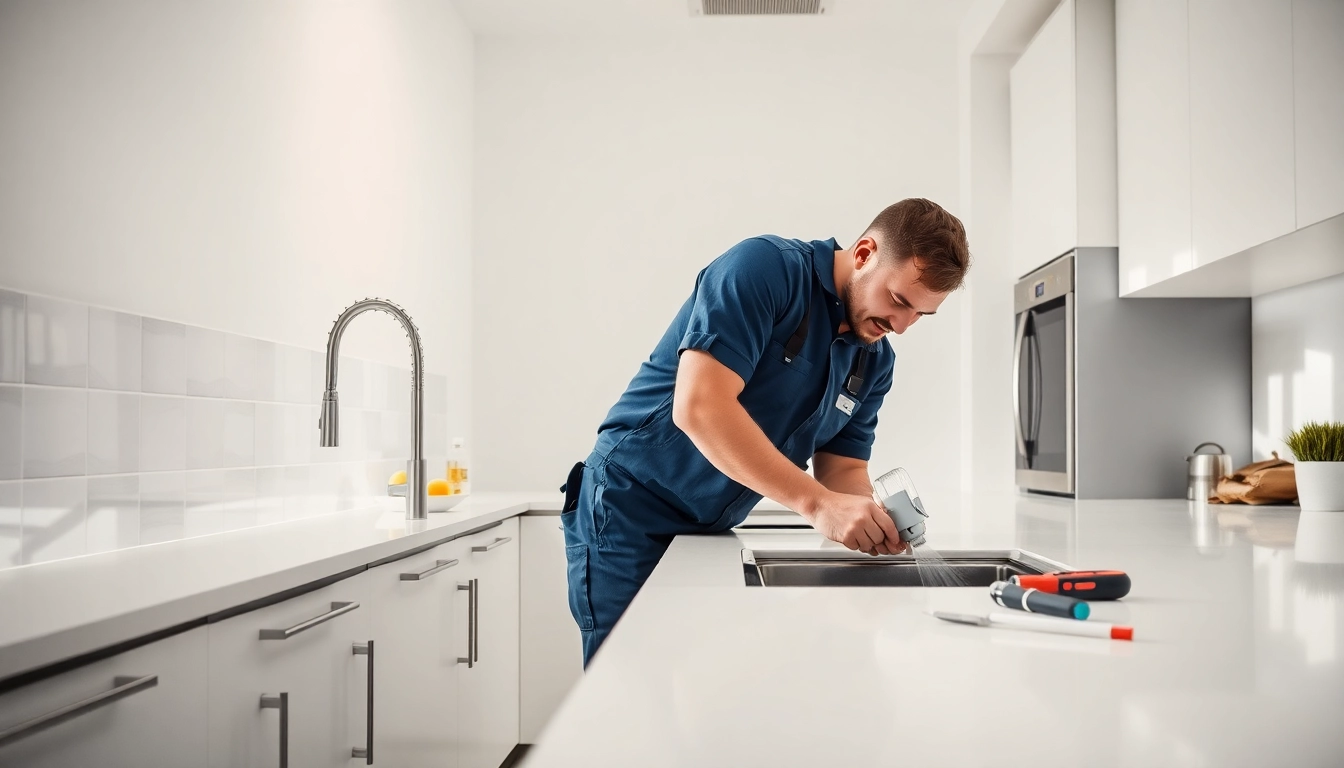
When it comes to maintaining a home, few things are as essential yet often overlooked as the role of a plumber. Whether you are dealing with leaky faucets, blocked drains, or installations of new plumbing fixtures, understanding the intricacies of plumbing can significantly enhance your home's functionality and safety. In this comprehensive guide, we will unpack the essential aspects of plumbing, from the services provided by professionals to tips on selecting the most reliable expert for your needs.
Understanding the Role of a Plumber
What Services Do Plumbers Provide?
Plumbers are trained professionals responsible for a wide array of tasks that revolve around water and waste systems. Their services typically include:
- Installation: Plumbers are adept at installing appliances such as sinks, faucets, bathtubs, water heaters, and toilets. Proper installation is crucial to ensure these systems operate efficiently and safely.
- Repairs: Plumbing issues can manifest in many ways, such as leaks, clogs, and pressure problems. Plumbers provide the necessary repair services to restore functionality to your plumbing systems.
- Maintenance: Regular maintenance services can prevent major plumbing problems down the line. This can include flushing water heaters, cleaning drains, and inspecting hidden plumbing for potential issues.
- Emergency Services: Many plumbers also offer 24/7 emergency services to address urgent plumbing issues that require immediate attention.
The Importance of Licensed Plumbers
Choosing a licensed plumber is crucial for several reasons:
- Compliance with Regulations: Licensed plumbers are well-versed in local plumbing codes and regulations. This ensures that any work done adheres to safety and legal standards.
- Quality Assurance: Licensing often requires passing examinations and gaining practical experience, providing a benchmark for the quality of work you can expect.
- Insurance Protection: Licensed plumbers usually carry insurance, which protects both them and the homeowner in case of accidents or damage during work.
Common Plumbing Issues and Solutions
Understanding common plumbing issues can help homeowners address problems before they escalate. Here are a few prevalent problems and suggested solutions:
- Leaky Faucets: Often caused by worn washers, a simple replacement can solve the issue.
- Clogged Drains: Regularly using a natural mixture of baking soda and vinegar can help clear minor clogs. For more severe blockages, professional assistance may be necessary.
- Running Toilets: This is commonly caused by a faulty flapper valve. Replacing this component can resolve the issue.
Tips for Selecting a Reliable Plumber
Finding Recommendations and Reviews
Finding a dependable plumber starts with research. Recommendations from friends, family, or neighbors can provide insight into trustworthy professionals. Additionally, online reviews can shed light on other customers' experiences. Websites like local community forums and review platforms can facilitate this.
Key Questions to Ask Before Hiring
Before finalizing your choice of a plumber, consider asking the following questions:
- What is your experience with similar plumbing issues?
- Can you provide references from past clients?
- What are your rates, and do you provide written estimates?
Checking Credentials and Experience
A reputable plumber should have all necessary licenses and certifications. Verify their experience level and ensure their specialties align with your plumbing needs. Asking about ongoing training or certifications can further establish their commitment to quality work.
Cost Considerations When Hiring a Plumber
Understanding Pricing Structures
Understanding how plumbers charge is vital in budgeting for services. Common pricing structures include:
- Hourly Rate: Many plumbers charge by the hour, which may include material and labor fees.
- Flat Fees: Some plumbing services may offer flat fees for specific jobs, such as toilet installation.
How to Get Accurate Estimates
When seeking quotes, ensure you provide detailed information about your plumbing issue. This includes describing the problem, the fixtures involved, and any previous repair attempts. Obtaining estimates from multiple plumbers can help ensure competitive pricing.
Factors Influencing Plumbing Costs
Several factors can influence the overall cost of plumbing services:
- Location: Costs may vary based on geographic location and local demand.
- Type of Work: More complex jobs or emergency services typically cost more than routine maintenance.
- Time of Service: After-hours or holiday services often incur higher fees.
DIY vs. Professional Plumbing Services
When to Attempt DIY Plumbing Repairs
Homeowners may consider DIY plumbing fixes for minor issues such as changing faucet washers or unclogging drains with a plunger. Basic knowledge of plumbing can empower homeowners to attempt these straightforward tasks safely.
Risks of DIY Plumbing
However, caution is warranted. DIY plumbing repairs can lead to significant mishaps if you lack experience. Water damage, leaks, and code violations can result from incorrect repairs, ultimately costing more in the long run.
Benefits of Professional Plumbing Services
Hiring professionals has distinct advantages:
- Expertise: Their trained eyes can quickly identify issues that may not be obvious.
- Efficiency: Professionals often complete tasks faster and with higher quality.
- Warranty on Work: Many service providers offer warranties on their repairs, providing peace of mind.
Maintenance Tips to Avoid Plumbing Issues
Regular Checks and Preventive Maintenance
Preventing plumbing issues is always preferable to fixing them. Establish regular check-ins for any plumbing systems in your home:
- Inspect visible pipes for leaks.
- Flush the water heater regularly to eliminate sediment buildup.
- Consider drain cleaning services annually.
Signs of Plumbing Problems to Watch For
Being vigilant can help catch issues early. Watch out for:
- Unusual water bills, which may indicate leaks.
- Reduced water pressure, signaling potential clogs or leaks.
- Unpleasant odors, which may indicate sewage issues.
Building a Good Relationship with Your Plumber
Building a rapport with a trusted plumber can yield numerous advantages. Regular maintenance and open communication will allow you to better anticipate your plumbing needs and ensure quicker responses during emergencies.
FAQs About Plumbing Services
What should I do during a plumbing emergency?
Shut off the main water supply to minimize damage and contact a licensed plumber immediately.
How can I prevent my pipes from freezing in winter?
Insulate pipes in vulnerable areas, keep your home heated, and let faucets drip during extreme cold.
What are the signs of a hidden leak?
Unexplained high water bills, damp spots on walls, and mold growth can indicate a hidden leak.
How often should I have my plumbing inspected?
Regular inspections are recommended every 1-2 years for preventive maintenance.
Can I flush anything down my toilet?
No, only human waste and toilet paper should be flushed to avoid clogs and plumbing issues.